← Resource Hub
LNG-to-Power Solutions

Power On.
In 60–120 Days.

Pipeline-quality gas. Rental generation. No grid required.
2 to 20 MW  ·  Modular & Scalable  ·  Bridge to Permanent Infrastructure
01 · Speed

60–120 Days

From commercial alignment to first power — while grid and pipeline projects wait years.

02 · Flexibility

2 to 20 MW

Modular design scales from a single generator to a full temporary power campus.

03 · Bridge

LNG Today

Operate on LNG now, transition to pipeline or permanent grid when it's ready.

04 · Certainty

No Waiting

Independent of grid interconnection queues and pipeline construction timelines.
From Handshake to First Power
TYPICAL PROJECT SCHEDULE
60 – 120 DAYS TOTAL
1
Week 0 – 2
Commercial Alignment
Site validation, load requirements, commercial terms
2
Week 2 – 6
Equipment Sourcing
Gas gensets, LNG ISO tanks & regas skids procured
3
Week 4 – 8
Permitting
Parallel-path air, fire marshal & zoning approvals
4
Week 6 – 12
Install & Commission
Delivery, installation, commissioning — power on

*Timelines may be able to be compressed depending on site conditions, equipment availability, and permitting jurisdiction. This schedule is intended to provide guidance on what should be expected under typical circumstances.

Two Configurations. Any Load.

Small Solution

Up to ~4 MW
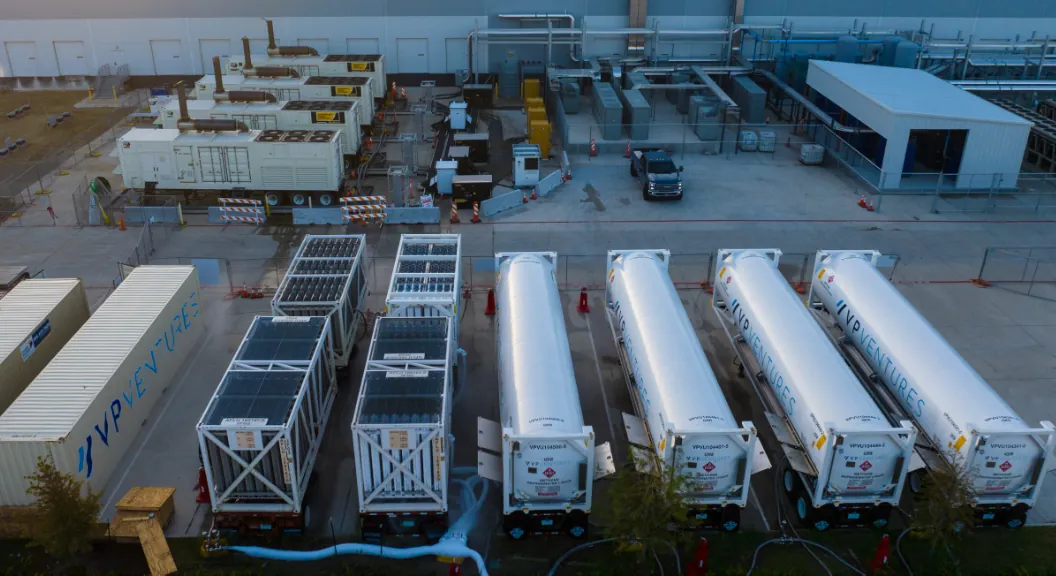
50'LNG SETBACK ZONE≈ 60' wide × 50' tall60'LNG TANK 1~10,000 galLNG TANK 2~10,000 galVAPORIZER1 × Dual AmbientTO GENSETS(outside setback)Gensets —(not shown)← setback boundary
LNG Storage
2 × ISO Tanks
Vaporizer
1 × Dual Ambient
Daily Fuel
~10,000 gal/day
Deliveries
~1 truck/day

Modular Solution

Up to ~20 MW
100'LNG SETBACK ZONE≈ 60' wide × 100' tall60'LNG TANK 1~10,000 galLNG TANK 2~10,000 galLNG TANK 3~10,000 galLNG TANK 4~10,000 galLNG TANK 5~10,000 galVAPORIZER 1Dual AmbientVAPORIZER 2Dual AmbientTO GENSETS(outside setback)Gensets —(not shown)← setback boundary
LNG Storage
5 × ISO Tanks
Vaporizers
2 × Dual Ambient
Daily Fuel
~50,000 gal/day
Deliveries
~5 trucks/day

* Diagrams are representative. Flow: LNG Storage → Vaporizer → Gensets (outside setback). Actual footprint and setbacks determined by site survey and local fire code.
Per 1 MW of Load
Fuel Consumption

Fuel Consumption

~2,500

gallons of LNG per day, per MW generated
Trucking Frequency

Trucking Frequency

1 / 4 days

approximately one delivery every 4 days per MW (~10–11K gal per load)
Storage Required

Storage Required

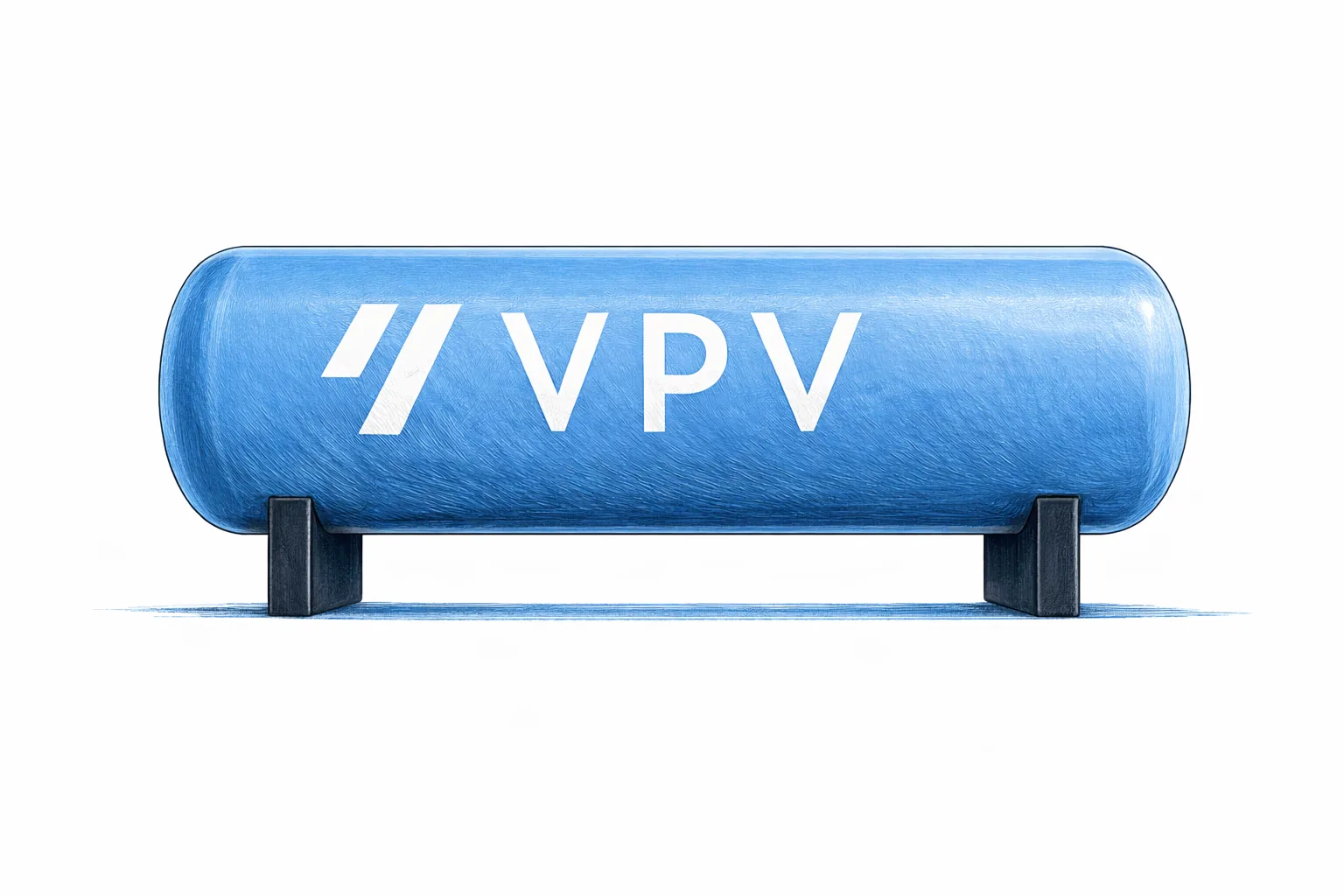
2 ISO Tanks

minimum two ~10,000-gallon tanks for buffer + rotation at base load

10 MW
Example
~25,000 gal
fuel per day
2–3 trucks
daily deliveries
5 ISO tanks
on-site (buffer + rotation)
2 vaporizers
dual ambient regas skids
Right Fit Scenarios
Grid Delays

Grid Delays

Interconnection queues stretching 2–5+ years. Power now, not later.
No Pipeline Available

No Pipeline Available

Remote sites or locations where gas infrastructure is years away.
Temporary Generation

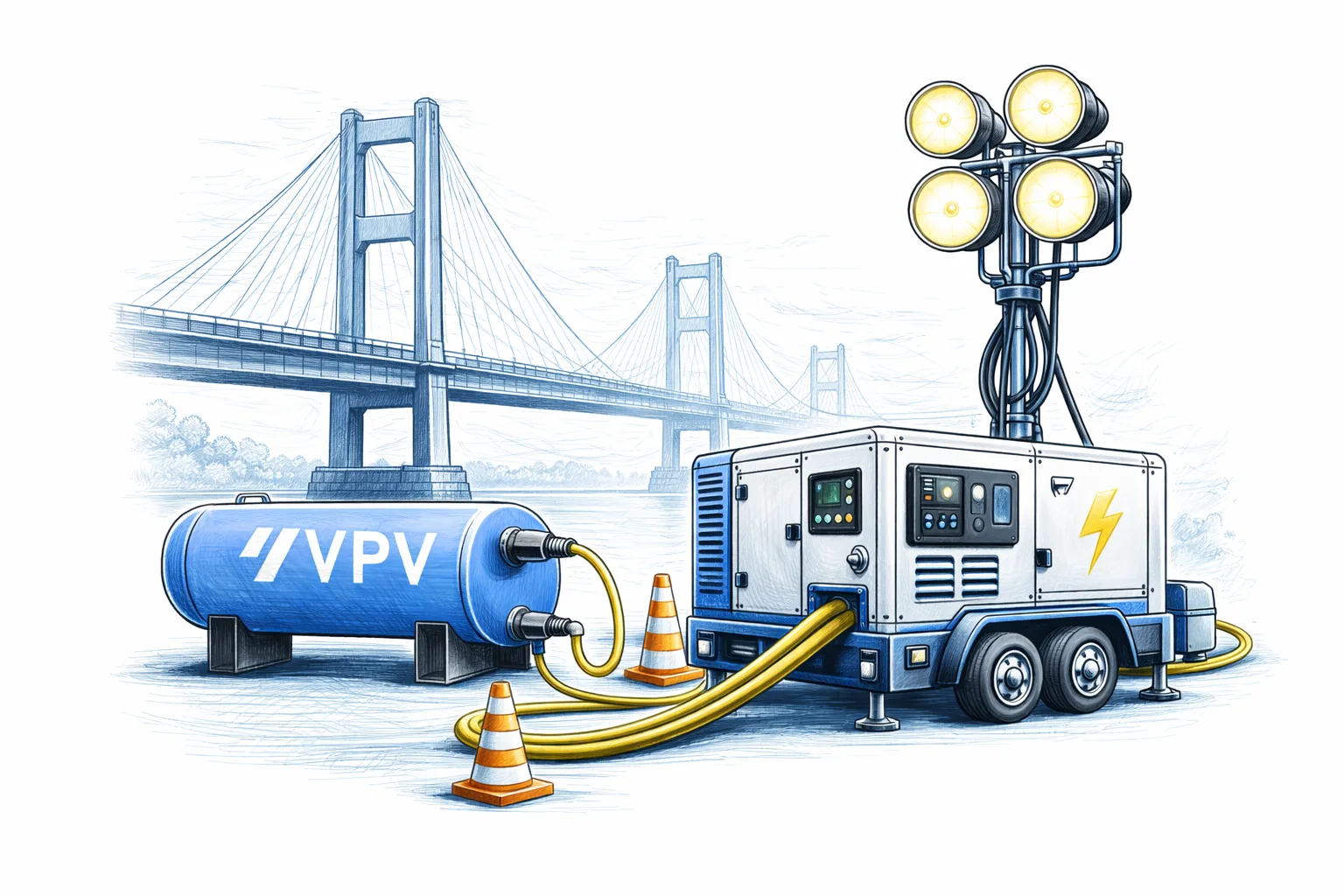
Temporary Generation

Rental power for 2–20 MW load, no permanent commitment required.
Data Centers & Industrial

Data Centers & Industrial

Fast ramp-up for critical load while permanent power is built out.

What Makes Sense When
0 – 3 YRS
LNG OPTIMAL
3 – 5 YRS
HYBRID BRIDGE
5+ YRS
PIPELINE PREFERRED

Hybrid approach blends LNG operations with pipeline transition planning — keeping optionality while reducing long-term fuel cost.

What We Navigate Together

Air Permit / Exemption

Often fast-tracked for temporary generation. We identify the applicable pathway on day one.

Fire Marshal Approval

LNG storage setbacks, safety systems, and suppression reviewed for site compliance.

Local / Zoning Approval

Temporary use permits are common and typically processed faster than permanent structures.

DOT / Transport Compliance

ISO tank handling, routing certification, and carrier compliance managed through delivery.

Ready to Talk Through Your Project?

Tell us your load profile, timeline, and location — we'll scope a solution and get back to you fast.